

Bringing Tradition Home: The Rise of Indian Temples inside the West

Indian temples in the West are transforming how the diaspora preserves tradition. The soft glow of oil lamps, the delicate scent of incense, and the resonant sound of bells—these sensory experiences form the cornerstone of Hindu spiritual life.
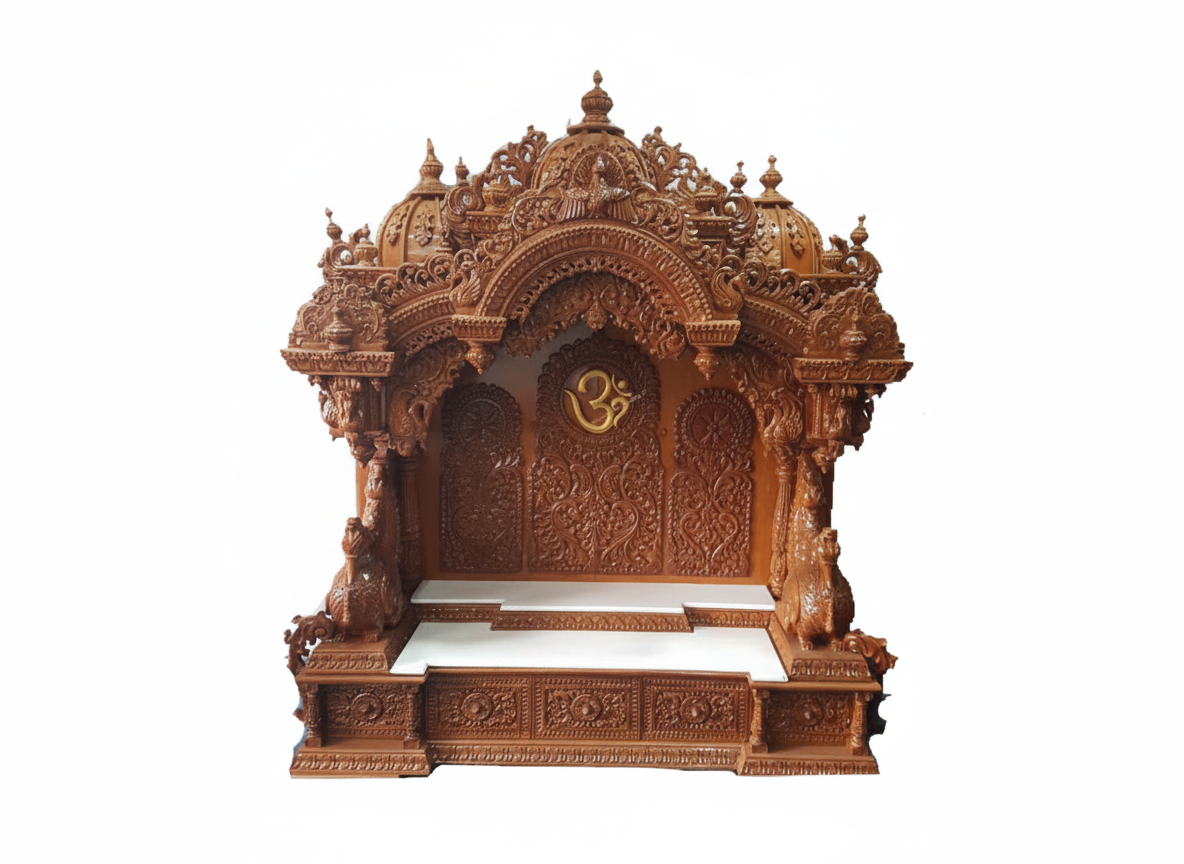
The home temple, or pooja mandir, serves as more than only a religious focal factor—it becomes a bridge among worlds, allowing families to honor their background at the same time as constructing new lives in Western societies. This developing fashion reflects both the sensible diversifications of diaspora groups and a deeper human want for cultural continuity.
The Diaspora Experience: Maintaining Identity Through Sacred Space
For Indian immigrants and their descendants, the journey of cultural preservation takes many paperwork, with non secular practices frequently serving as an anchor amid exchange.
A Growing Phenomenon
The presence of Hindu temples in Western international locations has multiplied dramatically in current many years:
- The United States now hosts over 450 Hindu temples, with the best concentrations in California, New York, New Jersey, and Texas
- The United Kingdom has more than 2 hundred Hindu temples, with substantial numbers in London, Leicester, and Birmingham
- Australia’s Hindu population has quadrupled for the reason that 2006, with temples established in all most important towns
Yet notwithstanding this boom in public worship spaces, the home temple stays relevant to each day spiritual exercise.
Dr. Vasudha Narayanan, Distinguished Professor of Religion at the University of Florida, explains: “While community temples serve crucial social and spiritual capabilities, the coronary heart of Hindu worship has always been the house altar. For diaspora communities, these private sacred areas take on extra importance as connections to ancestral traditions.”
From Necessity to Identity Affirmation
The evolution of home temples in Western nations reveals an thrilling sample:
First Generation: Often began with easy, portable altars out of necessity and confined sources
Second Generation: Expanded to committed areas, with extra difficult setups reflecting both greater assets and desire to hold heritage
Third Generation: Increasingly embody dressmaker mandirs that blend lifestyle with modern Western aesthetics, representing a confident bicultural identification
As Sheena Patel, a third-era Indian American interior fashion designer in New Jersey, observes, “My grandparents had a small shelf with photographs of deities after they first came to America inside the 1970s. My parents built a dedicated pooja room in their home. Now my customers need customized, architecturally integrated temple spaces that honor culture at the same time as complementing their present day houses.”
Regional Adaptations: How Home Temples Vary Across Western Countries
While center practices continue to be consistent, subtle diversifications emerge throughout one of a kind Western contexts.
Pooja Mandirs in American Homes
The United States, with its largest Indian diaspora population (approximately 4.Eight million), indicates unique patterns in domestic temple setups:
- Scale and Prominence: Larger houses in suburban areas often characteristic devoted pooja rooms
- Regional Variations: South Indian households in Silicon Valley tend in the direction of brass and timber factors, whilst Gujarati communities in New Jersey often comprise greater colorful, ornate designs
- Integration: Many more moderen houses are being constructed with architectural issues for temple spaces, in particular in areas with excessive Indian populations
Chicago-primarily based architect Rohit Anand notes, “We’re now designing many homes with unique attention to the pooja room’s place, lighting, and ventilation. It’s become as wellknown a attention because the kitchen format for many of our Indian American clients.”
Indian Altars in British Homes
The United Kingdom’s historical ties to India create a completely unique context for domestic temples:
- Space Considerations: With commonly smaller homes, UK-based families often use space-efficient wall-hooked up or corner mandirs
- Multi-generational Influence: Longer-installed Indian communities suggest many UK home temples mirror numerous generations of family subculture
- Weather Adaptations: The cool, damp British weather has brought about innovations in mandir substances and preservation practices
Meera Shah, a Leicester-primarily based cultural consultant, shares: “In British Indian homes, we regularly see innovative solutions for temple spaces. One circle of relatives I labored with transformed a conventional British fireplace alcove into a beautiful temple area of interest, creating this high-quality symbolic combination of their cultural houses.”
Hindu Home Temples in Australian Households
Australia’s growing Indian community (approaching 1 million) indicates different tendencies:
- Indoor-Outdoor Connection: Many Australian domestic temples feature connections to lawn spaces or herbal elements, reflecting the usa’s outdoor way of life
- Contemporary Designs: Newer immigrants regularly choose contemporary, minimalist temple designs that blend with Australian architectural styles
- Community Integration: Home temples often serve as gathering areas for smaller community celebrations, specifically in areas distant from hooked up temples
“Australian Indians often create temple areas that embody herbal light and connection to gardens,” explains Dr. Manju Prasad of the Hindu Council of Australia. “This displays both conventional Hindu reverence for nature and model to the Australian emphasis on indoor-outside dwelling.”
The Sacred Objects: What Makes a Western Home Temple Authentic
Creating an genuine temple revel in abroad entails cautious choice of sacred elements, often sourced via international networks.
Essential Elements
Regardless of length or fashion, most home temples incorporate these key components:
- Murtis (sacred images): Often delivered from India or purchased via specialized importers
- Diya (lamps): Traditional oil lamps or adapted electric versions
- Puja thali (worship plate): Containing kumkum, turmeric, rice, plants, and different presenting substances
- Bell: Used to mark the beginning and stop of worship
- Incense holder: For aromatic services
The procurement of those objects has advanced from hard-to-find imports to with no trouble available merchandise thru each specialized outlets and mainstream shops like Amazon, reflecting the developing marketplace popularity of diaspora desires.
Authentic Materials and Craftsmanship
For many families, the substances utilized in constructing the mandir itself carry widespread importance:
- Teak Wood: Prized for each its religious associations and practical sturdiness
- Marble: Especially famous in North Indian style temples
- Brass and Bronze: Used for furniture and once in a while complete shrines
- Stone: Including specialized makrana marble and sandstone varieties
“When our customers invest in a mandir for his or her American domestic, they are not simply shopping for furniture—they’re growing a non secular anchor,” explains Vikram Patel, founder of Divine Spaces, an Ohio-primarily based dealer of temple additives. “The authenticity of substances matters deeply, that’s why we work directly with artisans in Gujarat and Rajasthan to source traditional teak and authentic carving strategies.”
Digital Age Adaptations: Technology Meets Tradition
The integration of generation with conventional practices represents one of the maximum charming diversifications in Western domestic temples.
Modern Innovations
Today’s domestic temples may additionally incorporate:
- LED Lighting: Programmed to simulate the dawn-to-dusk lighting of traditional temples
- Digital Prayer Libraries: Tablet stations with access to mantras, bhajans, and guided pujas
- Smart Home Integration: Voice-activated structures that could begin morning aarti music or regulate lighting fixtures
- Video Connection: Screens that hook up with stay ceremonies at major temples in India
Sunita Reddy, a tech professional in Seattle, describes her family’s technique: “We have a conventional timber mandir, but we’ve got brought diffused lighting that changes with the time of day and season. Our smart speaker system is programmed to play precise devotional tune for distinct days. It allows us keep rituals even with our busy schedules.”
Virtual Temples
For some, mainly younger generations and people in brief residing situations, digital factors complement physical areas:
- Apps that manual through every day rituals
- Virtual reality temple experiences
- Online puja offerings that carry out rituals in India on behalf of distant places devotees
While those improvements may appear to be departures from subculture, they frequently serve to enhance instead of replace physical exercise, presenting assist and schooling for the ones raised outdoor India.
Cultural Transmission: Teaching the Next Generation
Perhaps the most widespread feature of home temples inside the West is their role in transmitting cultural know-how to kids who can also have little direct enjoy of India.
Learning Through Practice
Home temples provide herbal settings for:
- Intergenerational coaching of rituals and their that means
- Language upkeep through mantras and prayers
- Understanding of Hindu festivals and their importance
- Development of cultural identification and satisfaction
Dr. Priya Anand, who researches Hindu diaspora groups at the University of California, Berkeley, notes: “The home mandir often becomes the number one web site of spiritual schooling for kids. Through every day or weekly rituals, storytelling, and festival celebrations, dad and mom create immersive getting to know reviews that textbooks surely cannot provide.”
Bridging Cultures
Many families locate that home temples additionally become spaces for pass-cultural speak:
- Hosting friends from exceptional backgrounds to share in gala’s
- Explaining Hindu standards in phrases relatable to Western friends
- Creating possibilities for youngsters to expand pleasure in sharing their historical past
“When my son’s American pals come over, they may be always curious about our pooja room,” shares Deepak Sharma, a Houston resident. “It’s come to be a natural manner for him to percentage his heritage. He’s actually greater engaged with our traditions because he gets to be the ‘professional’ explaining things to his pals.”
Challenges and Creative Solutions
Maintaining proper practice in Western contexts affords particular challenges that families deal with thru innovative adaptations.
Navigating Space Constraints
Limited space in urban residences or shared housing calls for revolutionary questioning:
- Wall-established compact temples that fold away whilst not in use
- Convertible furniture that transforms from regular use to sacred space
- Portable temple kits for folks that relocate often
Finding Community Support
Without the infrastructure of temple communities conveniently available, families create alternatives:
- WhatsApp companies coordinating community celebrations
- Rotating domestic-primarily based satsangs (religious gatherings)
- Online groups connecting practitioners with similar backgrounds
Sourcing Authentic Materials
Obtaining conventional puja objects as soon as posed sizable demanding situations, main to creative solutions:
- Community import networks where tourists convey returned items for others
- Specialized importers serving diaspora communities
- Adaptation of domestically to be had substances and objects
Kavita Mehra, who runs an Indian items keep in Melbourne, Australia, recalls: “When I first arrived in 1993, finding even primary puja gadgets become almost impossible. Now we import immediately from artisans in India, and many of our clients are clearly non-Indian Australians interested by Hindu non secular practices.”
The Business of Tradition: Meeting Diaspora Needs
The developing demand for authentic temple components has created a specialized market serving Western-based totally Indian communities.
The Home Temple Market
This niche has advanced appreciably:
- Specialized Retailers: Businesses focusing exclusively on pooja materials and mandir construction
- E-commerce Solutions: Online stores like us transport authentic items globally
Authenticity as Premium
For many diaspora families, investing in an true, tremendous domestic temple represents extra than religious devotion—it’s a announcement of cultural satisfaction and connection to roots.
“We see clients inclined to invest considerably in hand made teak mandirs imported immediately from Indian artisans,” explains Maya Patel, who runs an import enterprise in Sydney. “They view it no longer simply as fixtures, but as a own family heirloom as a way to join destiny generations to their heritage.”
Interfaith Families: Blending Traditions
As intercultural marriages growth, home temples regularly evolve to reflect multiple spiritual traditions.
Respectful Integration
Many interfaith families create sacred areas that honor a couple of traditions:
- Combined altars that include elements from unique faiths
- Shared ritual practices that discover commonplace non secular ground
- Creative new traditions that recognize each heritages
Jennifer Williams, married to Raj Patel in London, shares: “Our domestic has a stunning mandir that includes a small space for my Catholic devotional gadgets. Our kids learn about both traditions, and we have created family rituals that draw from each. It’s no longer approximately diluting either faith, but finding the ordinary factors that join them.”
Conclusion: Sacred Spaces in a Global Context
The rise of Indian home temples throughout Western nations represents a colourful instance of how traditions adapt and evolve at the same time as preserving their essential man or woman. These sacred areas serve multiple features—retaining non secular practices, connecting generations, putting forward cultural identification, and developing a feel of “home” that transcends geography.
As the Indian diaspora continues to set up itself in Western societies, home temples stand as powerful symbols of cultural resilience and the generic human want for spiritual connection. They display how historical traditions can discover new expression in modern contexts, enriching each the families who preserve them and the broader cultural landscape of their adopted international locations.
Whether elaborately carved teak wooden shrines in spacious American suburban homes, space-efficient wall mandirs in London flats, or indoor-out of doors temple spaces in Australian homes, those sacred facilities replicate both the adaptability and enduring significance of Hindu spiritual practice in a globalized international.
Bring a chunk of India to your house — discover our handcrafted teak temples. Our export-quality mandirs are crafted with the aid of grasp artisans using actual techniques and substances, growing a true religious focal point for your own home inside the US, UK, or Australia. Contact us for customized solution.