

How to Choose the Right Size of Temple for Your Apartment

Modern apartment living often comes with a challenge — limited space. Yet, for most Indian families, having a dedicated area for prayer and meditation remains essential. The key is finding a home temple (pooja mandir) that fits beautifully into your available space without overpowering it. A temple that’s too large can crowd the room, while one that’s too small may not convey the spiritual presence and reverence you desire. This detailed guide will help you choose the perfect size temple for your apartment, ensuring balance between spirituality, aesthetics, and practicality.
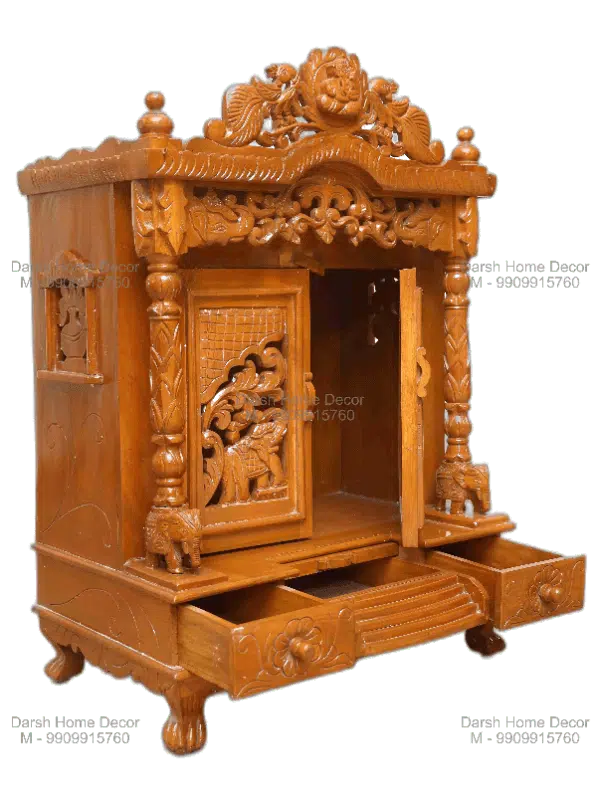
Understanding the Different Categories of Temple Sizes
Before you decide on the exact dimensions, it’s important to understand the standard size categories available in the market. These sizes are designed to suit different apartment types and lifestyles:
Compact or Tabletop Temples (12–18 inches)
These small temples can easily fit on a tabletop, shelf, or countertop. They are perfect for studio apartments, small 1BHKs, or people living alone. Despite their size, well-crafted pieces still showcase fine details like intricate carvings, golden inlays, or brass fittings. Compact temples are also easy to move and maintain, making them great for renters or frequent movers.
Small Wall-Mounted Temples (18–24 inches)
Wall-mounted pooja mandirs save valuable floor space and are perfect for apartments with limited room. These can be installed in bedrooms, kitchens, or even small hallways. Many modern designs include hidden drawers for incense, diyas, or prayer essentials, combining traditional functionality with sleek, minimal aesthetics.
Medium Temples (2–4 feet)
This is the most popular size range for urban apartments. Medium-sized temples can hold multiple deities, include built-in drawers, and still fit comfortably in most living rooms or corners. They strike the right balance between spiritual presence and space efficiency. You can choose from wall-mounted or floor-standing styles depending on your layout.
Large Temples (4–6 feet)
These grand designs are suited for spacious 3BHK apartments or flats with a dedicated puja room. Large temples often include multiple tiers for deities, aarti trays, and extra storage cabinets. They create a focal point of reverence and are ideal for families that perform daily rituals or elaborate pujas.
Extra-Large or Custom Temples (6+ feet)
These are statement pieces — often crafted for villas, penthouses, or large joint family homes. They can be fully customized with ornate pillars, domes, lighting arrangements, and built-in altars. Custom temples also allow you to match the material and polish with your interior décor for a unified look.
How to Measure Your Space Correctly
Before you buy a temple, accurate measurement is essential. Here’s how to measure depending on the space type:
Floor Space Method
When opting for a floor-standing temple, measure both the area it will occupy and the clearance required in front for movement. A minimum of 2–3 feet of open space is recommended for comfortable prayer. Leave 6 inches on either side to avoid a cramped look and ensure good airflow around the temple.
Wall Space Method
For wall-mounted temples, measure width, height, and depth carefully. The depth (projection from the wall) is especially important — ensure it doesn’t obstruct doors, cupboards, or walkways. You should also install it at an ergonomic height, typically at or slightly above your eye level.
Corner Spaces
Corners are often underutilized. Corner temples, designed with diagonal backs, make smart use of otherwise dead space. They also provide a sense of privacy for your puja area without isolating it completely from the rest of the room.
Visual Proportion Technique
Use masking or painter’s tape to mark out the temple’s footprint on the wall or floor. Observe it for a few days — this helps you visualize how the temple will look and ensures it feels naturally proportionate to your room.
Room-Specific Temple Placement
Living Room Temples
The living room is often the most common place for temples in apartments. Choose a medium-size temple (3–4 feet) that harmonizes with your furniture style. Consider wood tones or finishes that match your interiors, such as teak, rosewood, or white Duco paint for modern setups.
Bedroom Temples
Bedrooms often have limited space, so smaller wall-mounted temples (2–3 feet) are preferred. Keep the design minimal and peaceful, avoiding overly ornate models that might overpower the relaxing tone of the room.
Dedicated Puja Room
If you’re fortunate to have a separate puja room, you can opt for a larger temple (4–5 feet). This allows multiple deities, shelves for sacred texts, and drawers for accessories. Ensure there’s enough circulation space for rituals and seating during extended prayers.
Kitchen or Dining Area Temples
For quick daily prayers, compact wall-mounted or tabletop temples (18–24 inches) are ideal. They keep the sacred presence nearby without interfering with cooking or meal spaces. Some homeowners even use modular hanging designs above countertops for convenience.
Deity and Worship Considerations
Number of Deities
Families that worship a single deity can easily manage with smaller temples. However, multi-deity families require multi-tiered temples with individual niches. As a rule of thumb, each deity should have 8–10 inches of horizontal space for proper placement and reverence.
Size of Deities
Ensure your temple’s niche is 1.5–2 times the height of your tallest deity idol. Smaller idols look lost in oversized temples, while large idols may seem cramped in compact units. Proportion brings both aesthetic and spiritual harmony.
Space for Puja Items
Beyond deities, temples should have designated areas for diyas, incense, prasad plates, bells, and lamps. Larger temples often come with pull-out drawers or hidden storage sections to keep these accessories organized.
Height and Ceiling Factors
Standard Ceiling (8–9 feet)
Temples between 3–5 feet are perfect here, leaving visual breathing room while maintaining presence.
Low Ceiling (7–8 feet)
Choose compact temples (below 4 feet) or mount them slightly above floor level to maintain eye-level balance and accessibility.
High Ceiling (10+ feet)
You can install taller temples (5–6 feet) with extended domes or pillars to visually balance the vertical space. This adds grandeur and maintains proportional symmetry.
Placement Height
The main deity should ideally be at your standing eye level or slightly higher. This creates a natural upward gaze, encouraging focus during prayer and symbolizing spiritual elevation.
Depth and Projection
Depth is one of the most overlooked yet important dimensions in apartment temples:
- Shallow Profile (6–10 inches): Perfect for narrow walls and hallways.
- Standard Depth (12–18 inches): Ideal for medium-sized apartments.
- Deep Temples (20+ inches): Suitable for large puja rooms with enough clearance space.
Practical Lifestyle Considerations
- Owners vs. Renters: Renters should prefer medium-sized temples (2–4 feet) as they’re easier to transport.
- Family Size: Couples or small families can start with a smaller temple and expand later as needs grow.
- Daily vs. Occasional Worship: Daily worshippers benefit from temples with storage and comfortable height; occasional worshippers can opt for compact models.
- Elderly Accessibility: Ensure the height allows easy access without bending or stretching too much.
Visual Balance and Aesthetics
The One-Third Rule
To maintain harmony, your temple should occupy no more than one-third of the visible wall area. This prevents visual clutter and creates balanced interior composition.
Furniture Scale
Match the temple’s scale with the room’s furniture. A large mandir beside a small sofa looks disproportionate; similarly, a tiny temple beside a massive entertainment unit may appear lost.
Design Consistency
Choose a temple design that complements your interior style. Ornate carved temples pair beautifully with traditional decor, while sleek minimal ones work well in modern apartments.
Storage Requirements
Smart storage makes daily rituals more convenient:
- Puja Supplies: Choose temples with drawers or hidden shelves for incense, oil, wicks, and kumkum.
- Festival Accessories: Larger temples with extra cabinets are ideal for storing seasonal items like garlands or lamps.
- Scriptures and Texts: Some designs include side compartments for holy books or aarti books.
Recommended Temple Sizes by Apartment Type
- Studio Apartment (400–600 sq ft): Wall-mounted (18–24 inches) or tabletop (12–18 inches).
- 1 BHK (600–800 sq ft): Medium (2–3 feet), wall or floor-mounted.
- 2 BHK (800–1200 sq ft): Medium (3–4 feet), ideally placed in the living room.
- 3 BHK+ (1200+ sq ft): Medium to large (3.5–5 feet), suitable for a separate puja room.
The Expandability and Flexibility Factor
Modular Temple Designs
Some modern pooja mandirs are modular — you can add shelves or tiers later. This allows flexibility as your family grows or worship needs change.
Complementary Additions
Start with a basic unit and gradually add matching pedestals, lighting, or decor pieces to create a unified sacred area without replacing your main temple.
Testing Before Buying
- Cardboard Mock-Ups: Cut cardboard to the dimensions of the temple and test placement for visibility and movement.
- Digital Tools: Many brands now offer AR or 3D visualization apps to preview how the temple fits in your room.
- Showroom Visits: Visiting in person helps you assess build quality, materials, and real proportions.
The Goldilocks Principle — Finding the Perfect Fit
- Too Small: May feel insignificant and fail to create a spiritual atmosphere.
- Too Large: Can dominate the room and reduce comfort or harmony.
- Just Right: Feels proportionate, visually balanced, and spiritually inviting.
Whether you live in a cozy studio or a spacious penthouse, the right temple size can bring both spiritual and visual harmony into your home. The perfect mandir feels like an extension of your soul — neither too big nor too small, but just right for your faith and space. Take a look at our products today.